Skip Links

  • Skip to content
  • Skip to main navigation
  • Resources
  • Documents
  • Publications
  • Multimedia
  • Learning and research

0 - Meta navigation

  • Impact
  • News
  • Events
  • Resources
back to OSCE
OSCE Resources Hub

Meta navigation

  • Impact
  • News
  • Events
  • Resources
  • English
  • Resources
  • Documents
  • Publications
  • Multimedia
  • Learning and research

Photo Gallery

Historical milestones of the CSCE/OSCE in images

to be added
to be added
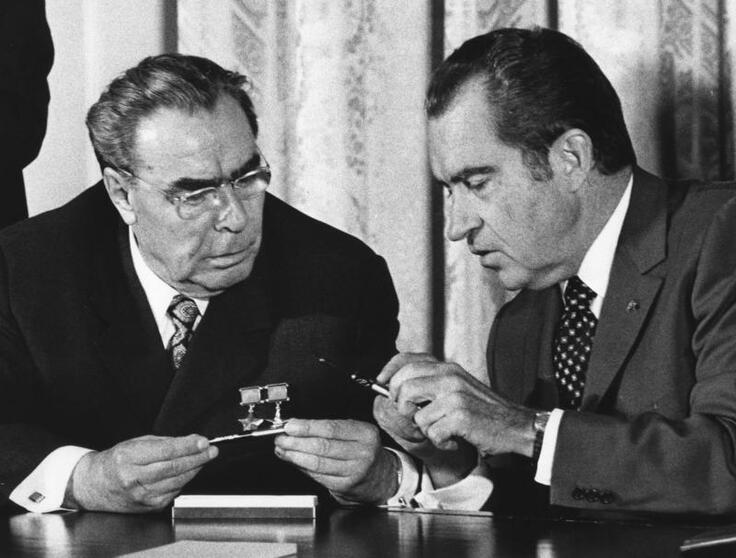
The leader of the USSR Leonid Brezhnev and US President Richard Nixon meet in Helsinki to discuss political and strategic military issues in Europe. They reach a compromise agreement to separate these issues into two separate sets of negotiations. 24 May 1972. 
© Central Intelligence Agency | Photo details
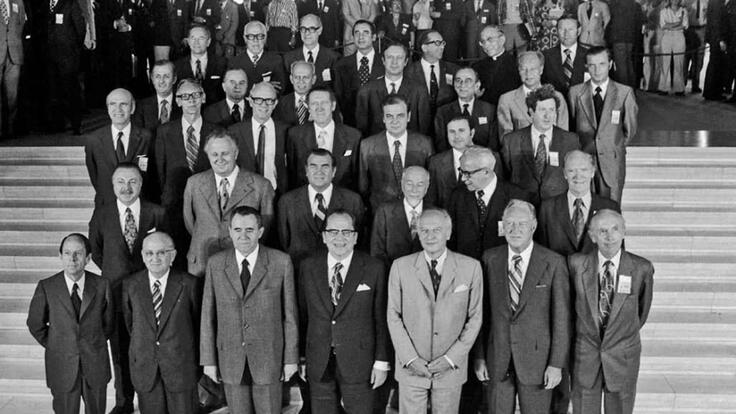
The foreign ministers of the 35 CSCECSCEConference on Security and Co-operation in Europe participating States, meeting in Helsinki to adopt final recommendations to hold a Conference on Security and Co-operation in Europe. 3 July 1973.
© OSCE | Photo details
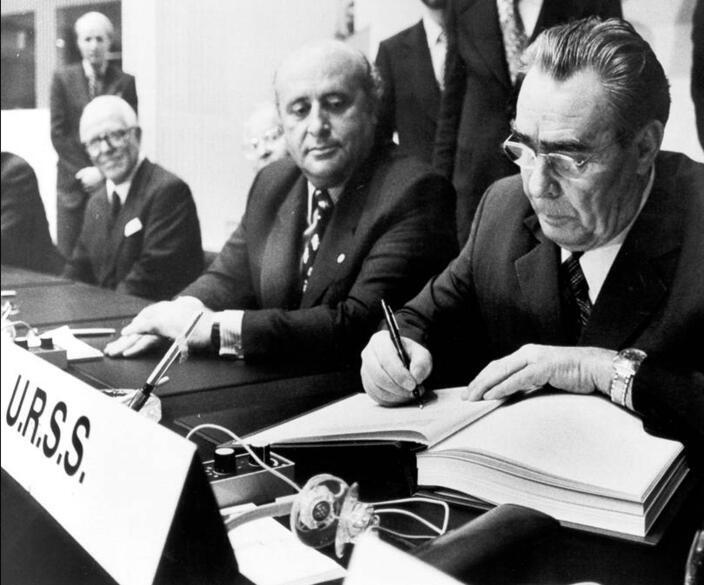
Leonid Brezhnev, General-Secretary of the Communist Party of the USSR, signing the Helsinki Final Act, with Turkey's Prime Minister Suleyman Demirel to his left. Helsinki, 1 August 1975.
© AKG Photo Berlin | Photo details
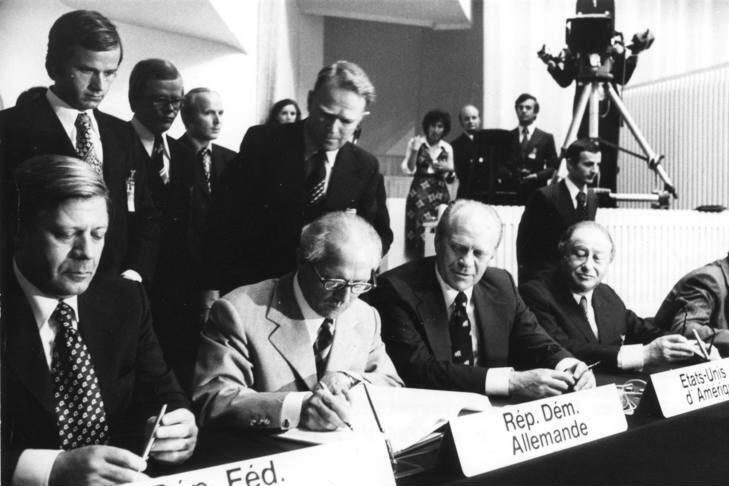
Helmut Schmidt, Chancellor of the Federal Republic of Germany; Erich Honecker, First Secretary of the Socialist Unity Party of Germany; Gerald Ford, President of the United States; and Bruno Kreisky, Chancellor of Austria (l-r), at the first CSCE Summit in Helsinki. 1 August 1975.
© Bundesarchiv/Horst Sturm | Photo details
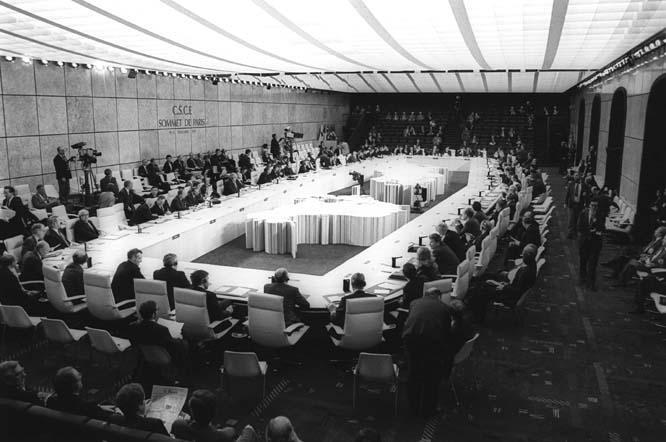
Participating States meeting for the second CSCE Summit, marking the end of the Cold War and the beginning of a new era of democracy, peace and unity in Europe. Paris, 19–21 November 1990.
© Ministry of Foreign Affairs of France/Frédéric de la Mure | Photo details
to be added
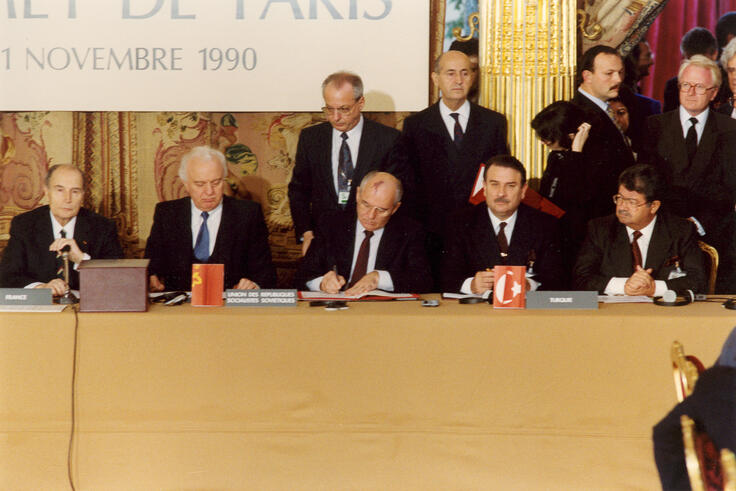
Signing of the Treaty on Conventional Armed Forces in Europe at the Élysée Palace in Paris on the first day of the second CSCE Summit. The Treaty was adopted by 22 CSCE participating States. 19 November 1990.
© OSCE | Photo details
to be added
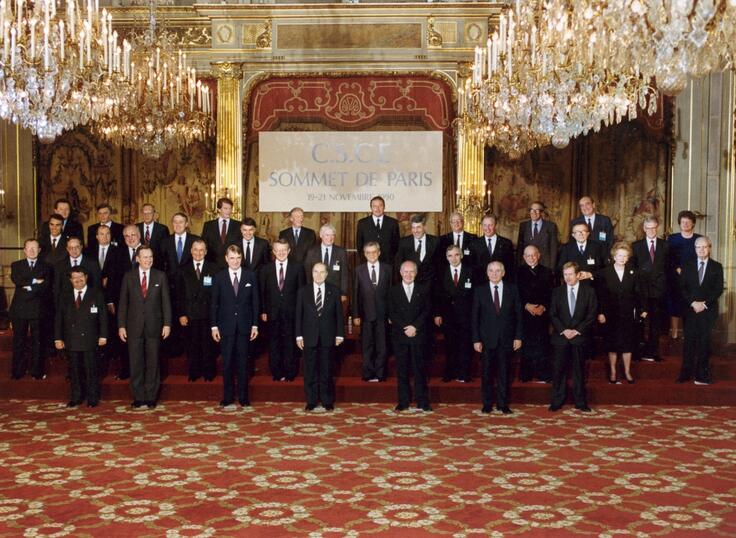
Thirty-five participating States sign the Charter of Paris for a New Europe and agree on the establishment of a secretariat, a conflict prevention centre and an office for free elections for the CSCE. Paris, 21 November 1990.
© George Bush Presidential Library | Photo details
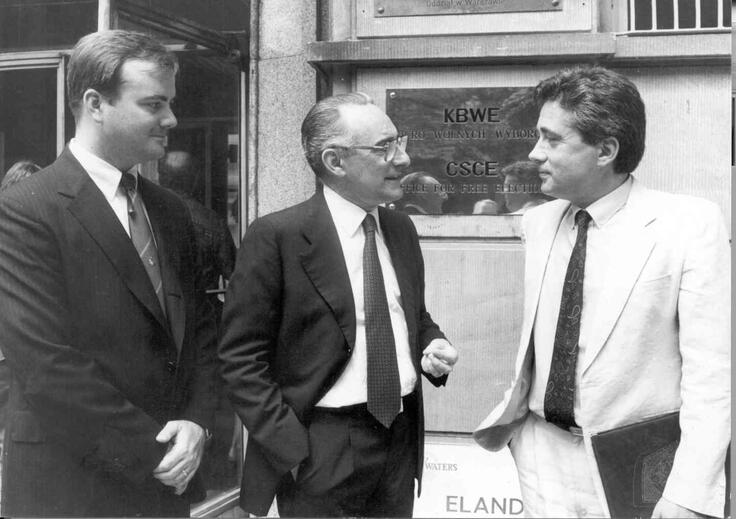
Luchino Cortese (centre), first Director of the Office for Free Elections (later renamed the Office for Democratic Institutions and Human Rights, ODIHR), in front of the Office’s first premises. Warsaw, 1991.
© OSCE | Photo details
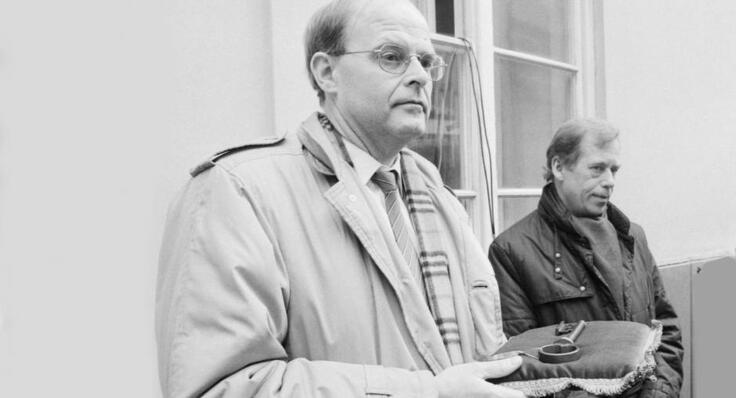
Nils Eliasson, first Director of the CSCE Secretariat, with Czechoslovakia’s President Václav Havel at the official opening of the Secretariat first premises. Prague, February 1991.
© ČTK/Doležal Michal | Photo details
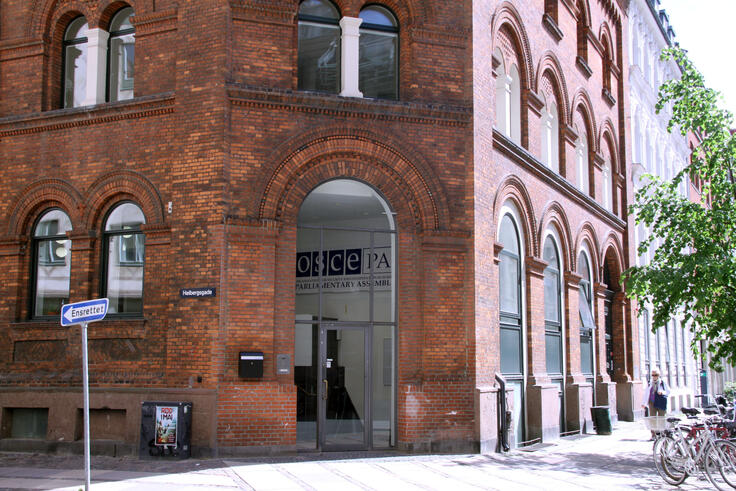
OSCE Parliamentary Assembly secretariat in Copenhagen. Established by the 1990 Charter of Paris to promote greater involvement in the OSCE by national parliaments, the Assembly’s first formal session took place in Budapest in July 1992.
© OSCE | Photo details
A stamp issued by Tajikistan’s postal service in 1995, reflecting the country's status as OSCE participating State. Tajikistan was one of ten former Soviet Republics that joined the CSCE in January 1992.
© Post of Tajikistan | Photo details
to be added
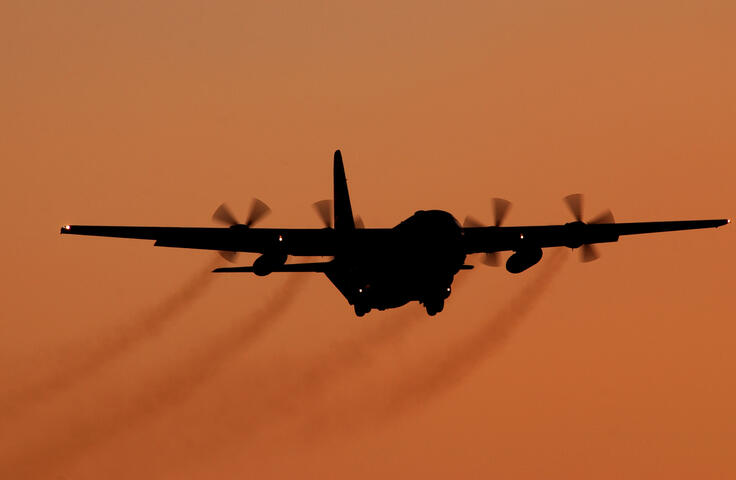
A landmark agreement, the Treaty on Open Skies provides the framework for a regime of observation flights over the CSCE area. It was signed in Helsinki on 24 March 1992.
© U.S. Air Force | Photo details
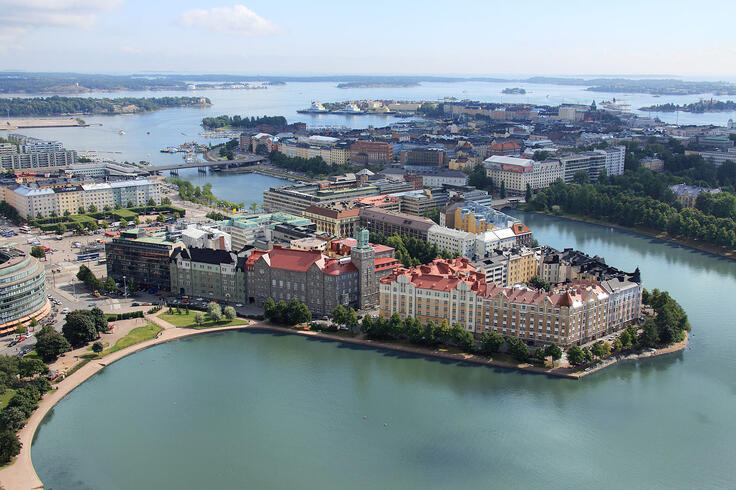
The Challenges of Change, a CSCE document adopted by 52 participating States, establishes the High Commissioner on National Minorities, the Forum for Security Co-operation, the Economic Forum and the Human Dimension Implementation Meeting. The latter develops later into Europe’s largest human rights event. Helsinki, 9–10 July 1992.
© Kati Kosonen | Photo details
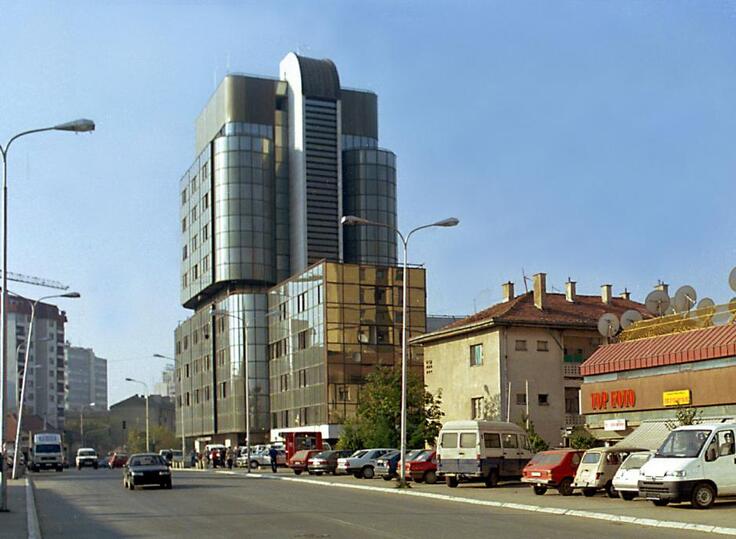
The headquarters of the OSCE Mission in Kosovo in Prishtinë/Priština. On 8 September 1992, the CSCE/OSCE began its long engagement in the field with the Missions of Long Duration in Kosovo, Sandjak and Vojvodina.
© Lubomir Kotek/OSCE | Photo details
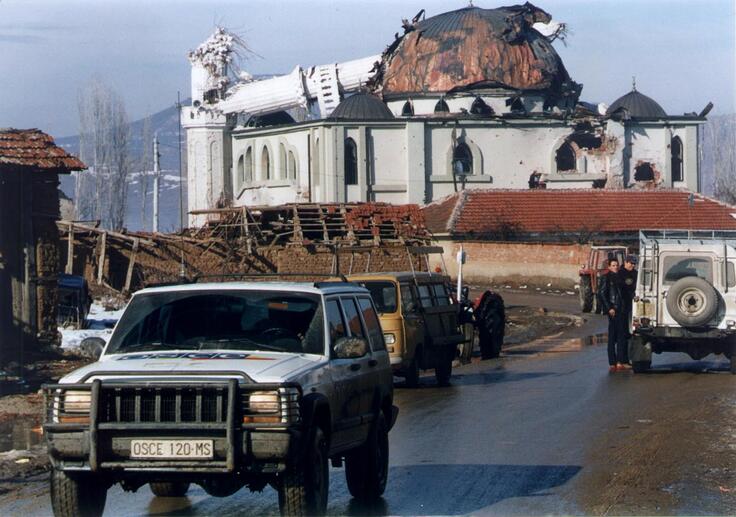
A fact-finding visit from 10–14 September 1992 prepared the ground for the CSCE/OSCE’s longest-standing field operation in North Macedonia. The first office in the country was the CSCE Spillover Monitor Mission to Skopje, charged with avoiding a spillover of the conflict on the territory of former Yugoslavia into North Macedonia.
© Marko Georgiev | Photo details
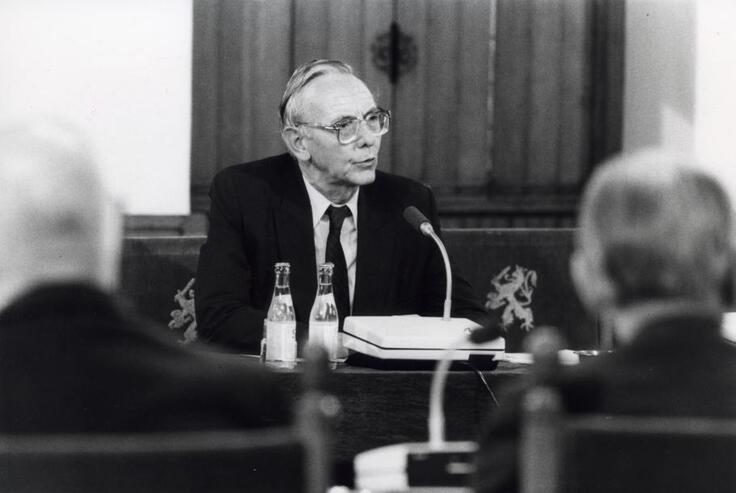
Max van der Stoel, first OSCE High Commissioner on National Minorities, appointed on 15 December 1992.
© Collectie SPAARNESTAD PHOTO/NA/Rob Croes | Photo details
Wilhelm Höynck from Germany, the first OSCE Secretary General (1993–1996), appointed on 15 June 1993.
© OSCE | Photo details
In 1993, at its 24th Meeting, the Committee of Senior Officials decides to move the CSCE Secretariat from Prague to the Austrian capital Vienna. 29 November 1993.
© OSCE | Photo details
At the Budapest Summit 1994, the participating States decide to turn the CSCE into a full-fledged organization, the Organization for Security and Co-operation in Europe. 5–6 December 1994.
© OSCE | Photo details
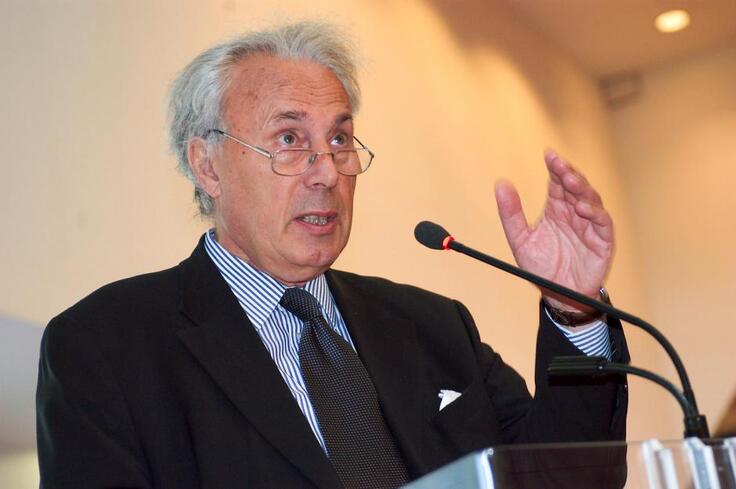
Freimut Duve, the first OSCE Representative on Freedom of the Media, appointed on 1 January 1998.
© Co de Kruijf/HH | Photo details
Date Date:
24 February 2025
Source Source:
About us

Footer

  • Contacts
  • Employment
  • Subscribe for updates
  • Social media
    • Go to X Go to X X
    • Go to LinkedIn Go to LinkedIn LinkedIn
    • Go to Facebook Go to Facebook Facebook
    • Go to Instagram Go to Instagram Instagram
  • Press
  • Partnerships

Footer2

  • Terms of Use
  • Procurement
  • About this website
  • Report wrongdoing
  • Feedback